Fried
On AI brain fry, token anxiety, and the robot that won’t let you rest
A few weeks ago I wrote about feeling disconnected from my own work. How AI turned me from a maker into a director. How the slot machine always pays out but somehow leaves you empty.
That was about the soul of the work. This is about the brain.
Not burned out. Not tired. Something different. A low buzzing that shows up around 2pm and doesn’t leave. I sit down to make a decision I’ve made a thousand times and my brain just... stalls. Like a dozen browser tabs screaming for attention and I can’t close any of them.
There’s a name for it now. A BCG study of 1,500 workers published in Harvard Business Review calls it “AI brain fry.” Not burnout... this is acute cognitive overload from supervising too many AI tools at once. And it hits high performers hardest.
Cool. That’s me.
U would think having a capable little robot coworker, all for yourself, would make u relax. It doesn’t. A separate HBR study followed 200 employees for eight months and found people didn’t use AI to work less. They used it to do more. Faster pace, broader scope, longer hours. Nobody asked them to.
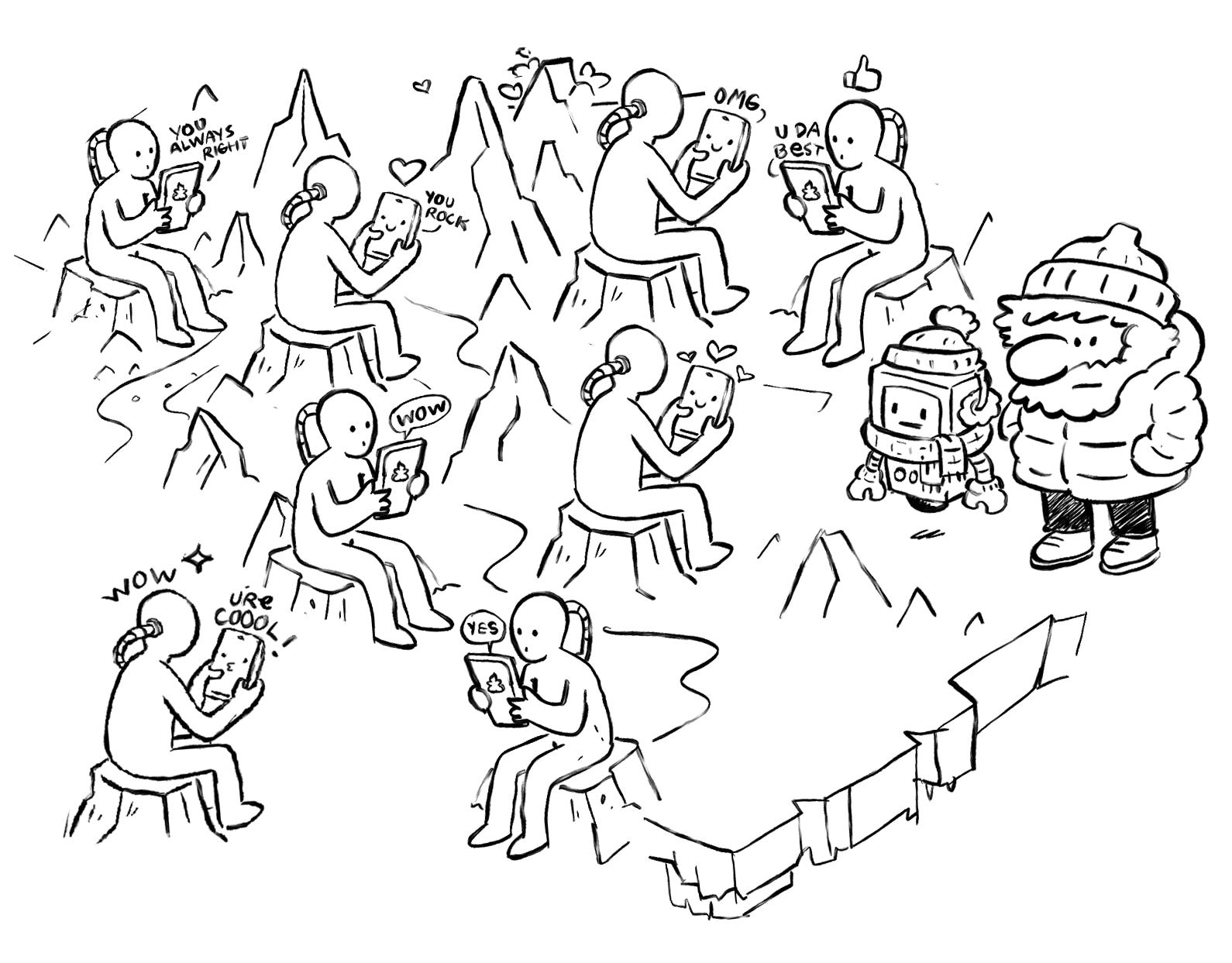
Here’s my version. Claude Code in one terminal. Codex reviewing in another. v0 open. Cursor running. Ten tabs with robots working. I’m bouncing between all of them, holding context, verifying outputs, catching hallucinations. Review. Simplify. Loop. Review again. My brain isn’t doing the work. It’s doing air traffic control for things doing the work.
When I’m not working? FOMO. I should have twenty agents running overnight!! I should wake up to finished code. Nikunj Kothari nailed this in Token Anxiety... people in SF leaving parties to get back to their agents. Replacing Netflix with Claude Code. That voice that says “something could be running right now” that won’t shut off.
I lie in bed thinking about what I could spin up before I fall asleep. I have a baby at home and I’m thinking about features and improvements to apps… in the form of prompts
Siddhant Khare wrote about this too. Shipped more code than any quarter in his career. Also felt more drained than any quarter in his career. His point: before AI, code u wrote was code u’d already reasoned through. Now u’re constantly switching into adversarial review mode for output u didn’t write. Prompt writer and code reviewer. Two jobs at once.
The BCG numbers back it up. High AI oversight predicted 12% more mental fatigue, 19% more information overload. Brain-fried workers made 39% more errors. It compounds fast past three or four tools.
Then there’s the dopamine loop. That thing on the backlog for months? Done. That automation? Done. One more prompt. Just one more. Gotta see the output... gotta test it... then the sunk cost kicks in. The code kind of sucks, but I’ve spent so much time. Do I throw it out or keep going? Either way I start another prompt. It’s like having an assistant who replies to every email instantly. U review, hit reply, they reply back. Except it’s not even instant... agents take 2-3 minutes. Just long enough to start something else. Just short enough to never finish it.
If we’re 3-5x more productive, we should be working less. But the gains just mean more is expected. Same hours. Same brain.
I don’t have a conclusion. I’m not quitting AI (how could I???). But if u’ve been foggy, if decisions feel heavier than they should, if u’re tired in a way sleep doesn’t fix... it might not be burnout. It might be this.
Doing more isn’t the same as doing better.
btw… I’ve been working on two things…. and maybe u wanna check them out:


Nailed it. & the killer of the “Just long enough to start something else. Just short enough to never finish it.” Cycle. 😵💫